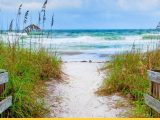
Florida’s sunny beaches and vibrant communities make it a popular destination for second home buyers. Purchasing a second home in Florida comes with unique legal and tax considerations. Key factors to consider include property taxes, homestead exemption, Homeowners’ Association (HOA) rules, insurance requirements, rental income implications, and special considerations for foreign buyers. It’s crucial to understand the financial and logistical aspects of owning a second home in Florida, including market saturation, potential rental income, hurricane risks, and property management challenges. Careful research and planning are essential to make an informed decision and maximize the benefits of your investment.
Financial and Legal Implications of Second Home Ownership
Purchasing a holiday home or pied-à-terre in Florida comes with unique financial and legal considerations. Property taxes for non-homestead properties are assessed at full market value, resulting in higher taxes compared to your primary residence. The homestead exemption, which can significantly reduce property taxes, only applies to your main home.
Insurance is another crucial factor. Obtaining coverage for risks like hurricanes and floods is essential, but premiums may be higher for properties not occupied year-round. Financing a second home also differs from a primary residence, as lenders often require a down payment of 20-25% and charge higher interest rates.
Mortgage and Financing Options
Exploring various mortgage and financing options is crucial when purchasing a Florida property. In addition to traditional second home mortgages, homeowners may consider home equity loans, HELOCs, or even cash-out refinancing. Understanding the nuances of each approach and how they impact your overall financial picture is key.
Navigating Legal Complexities
Familiarizing yourself with Florida property laws is essential. Regulations surrounding rental restrictions, homeowner’s association (HOA) rules, and tax implications for rental income must be carefully considered. For foreign buyers, additional hurdles like FIRPTA withholding and potential estate taxes come into play. Working with a local real estate attorney and experienced realtor is highly recommended to ensure a smooth and informed purchasing process.
“Owning a second home is a significant financial and legal commitment. Thorough research and professional guidance are essential to navigate the complexities and avoid potential pitfalls.”
Choosing the Perfect Second Home Location
When selecting the ideal location for your summer residence or winter retreat in Florida, there are several key factors to consider. The travel distance, accessibility for family and friends, and proximity to essential amenities play a crucial role in your decision-making process. Researching the local community’s offerings, such as cell phone coverage, WiFi service, grocery stores, shopping, and airport access, can help you determine the perfect fit for your Florida lifestyle and retirement planning.
For those seeking a second home in the Sunshine State, the central Florida region, particularly the Orlando area, presents a compelling blend of attractions, healthcare services, and luxury communities like Bella Collina. These premier communities often offer a range of amenities, including golf courses, fine dining, and top-notch fitness centers, catering to your active lifestyle.
“When it comes to choosing the perfect second home location in Florida, the central region offers the perfect balance of convenience, leisure, and healthcare services – a true paradise for those seeking a summer residence or winter retreat.”
Retirees may want to prioritize locations with easy access to quality healthcare facilities and homes that are suitable for aging in place, such as single-story properties or those with main-floor bedrooms. By carefully considering these factors, you can find the ideal second home that seamlessly integrates with your Florida lifestyle and retirement planning goals.
Conclusion
Purchasing a second home in Florida can be a rewarding weekend escape, seasonal dwelling, or Florida investment opportunity, but it requires careful vacation home planning. From understanding the financial and legal implications to finding the perfect location, thorough research and preparation are essential. Consider your long-term goals, whether it’s for occasional use, retirement, or generating rental income.
Be prepared for the ongoing costs of maintenance, property management, and potential challenges of owning a property from afar. Seek professional advice to ensure you make an informed decision that aligns with your financial objectives and enhances your quality of life. With the right approach, your second home in the Sunshine State can become a cherished weekend escape, a seasonal dwelling, or a profitable Florida investment.
By addressing these key considerations, you can turn your vacation home planning into a reality and enjoy the benefits of second home ownership in Florida.
FAQ
Q: What are the key considerations when buying a second home in Florida?
Q: How do property taxes and the homestead exemption impact second home ownership in Florida?
Q: What insurance considerations are important for a second home in Florida?
Q: What other legal and financial factors should I consider when buying a second home in Florida?
Q: What factors should I consider when selecting the location for my second home in Florida?
Source Links
- https://www.southfloridalawpllc.com/2024/08/11/know-the-legal-landscape-buying-a-second-home-in-florida/
- https://www.bellacollina.com/blog/tips-for-owning-a-second-home-in-florida
- https://www.treasurecoasthomesales.com/blog/5-tips-for-considering-a-second-home-in-stuart-florida/
- https://maresmortgage.com/buying-a-second-home-in-ca-heres-what-to-know/
- https://www.frankelrubin.com/estate-planning-and-your-second-home-what-should-you-know/
- https://www.bankrate.com/mortgages/things-to-know-before-you-buy-a-second-home/
- https://www.edelmanfinancialengines.com/education/financial-planning/8-considerations-for-buying-a-second-home/
- https://www.rocketmortgage.com/learn/buying-a-second-home
- https://www.ramseysolutions.com/real-estate/buying-a-second-home?srsltid=AfmBOoqSTHo0EMgulPi-UqzLZLLyxpnUP07jW8Mm4vMyQmUMifPToC12
- https://www.ratesimple.com/blog/understanding-second-home-occupancy-requirements/
- https://samanthasellspalmbeach.com/blog/the-differences-between-buying-a-second-home-vs-investment-property
- https://www.bondstreetloans.com/blog/buying-a-house/understanding-second-home-mortgage-requirements-a-comprehensive-guide/